

Why Youth Entrepreneurship Training
Educating young entrepreneurs for the economy of tomorrow
The world of work is changing. Digital technology has transformed everything. Remote working is becoming more popular and both employers and employees expect something different from the world of work.
The traditional model of the nine to five job is increasingly looking outdated. Jobs for life are no longer on offer and Generation Z is likely to be the most entrepreneurial generation ever to enter the workplace.
They enter a difficult environment. Even before the pandemic, accessing work was becoming increasingly difficult. Youth unemployment is roughly double that of the general population and, with the UK experiencing the biggest economic slump of all time, things are going to get worse.
More economic hardship is on the cards and young people are likely to bear the brunt.

Entrepreneurship will be crucial for this generation. It not only fits in with the value driven careers they want, but it also provides a valuable route out of poverty and unemployment.
However, the traditional approach to education is not fit for purpose. While the digital revolution is happening all around us, the education system is still stuck in the dark ages. It is preparing young people for a world of employment, when it should be teaching them the skills they need to be an entrepreneur.

Entrepreneurship Education
Entrepreneurship education takes a different approach to the traditional model. It focuses on helping people develop practical, real world skills which help them survive in this rapidly developing world.
These skills include:
- Teamwork and collaboration
- Public speaking and giving presentations
- Collecting and analysing data
- Using social media for business
- Building resilience, innovation and imagination
- Problem solving
Students will be able to understand the development cycles of products and develop their own business proposals and present pitches. They will identify problems and solve them; they will also understand how business works and the practicalities involved with setting up an enterprise.
Students will be able to understand the development cycles of products and develop their own business proposals and present pitches. They will identify problems and solve them; they will also understand how business works and the practicalities involved with setting up an enterprise.
Tomorrow’s leaders
The education system needs to realise it is teaching the leaders of tomorrow. How young people are taught today will influence how they react in the real world. They will have to be innovative, resilient and flexible to cope with an ever-changing labour market. Even those who do not choose to become self- employed will have to draw increasingly on those skills and attributes to make the most of the opportunities and challenges of an increasingly competitive market.
This will help all students, regardless of whether they choose to go on and develop their own businesses. Not only will they have the skills to develop their own businesses and their own jobs, they will also become more attractive as employees.
Building creativity
Entrepreneurship rests on something which our education system has traditionally been very bad at fostering: creativity. Studies show that even as IQ scores have improved our creative thinking scores have fallen .

Our education ignores the value of creative and innovative thinking. According to one test from NASA, it even reduced the ‘creative genius’ instincts almost all of us are born with. According to NASAs results 98% children entering school fulfil their criteria for a ‘creative genius ’. After five years in the education system, that figure will have dropped to 30% and by the time we leave school just 2% of us will have retained that spark of genius.
School, in other words, dumbs us down and leaves us hopelessly ill equipped for the problems the real world will throw at us.

Fighting inequality
Our education system is also shockingly poor at giving children a fair crack at life. Recent figures show that children from disadvantaged backgrounds are twice as likely to be unemployed as those with a more affluent upbringing .
Those figures also translate into their prospects for success as entrepreneurs. Businesses developed by people whose parents are well off are much more likely to be successful than those with parents who were not.
Some of the reasons are obvious. Well off parents have access to considerable resources to support their children. However, it’s also a question of education and attitude. Young people from wealthy backgrounds are encouraged to go out and build businesses for themselves. They have the support structures in place in case things go wrong and can also reach out to well connected networks.
Those from poorer backgrounds, on the other hand, will lack the financial resources, the encouragement and the support required to go out and build a business of their own. They might have an idea but the consequences of failure are much higher. Their families will be less capable of supporting them if their businesses should fail.
Given the high failure rate of new enterprises, that is a serious barrier.
However, it is also a question of education. Entrepreneurship is making head way in the realm of further education. There are now almost 150 undergraduate courses in entrepreneurship . However, it earlier in the process, in schools, where children can be given the basic grounding in entrepreneurship and in which their creativity can be nurtured rather than crushed.
However, it is also a question of education. Entrepreneurship is making head way in the realm of further education. There are now almost 150 undergraduate courses in entrepreneurship . However, it earlier in the process, in schools, where children can be given the basic grounding in entrepreneurship and in which their creativity can be nurtured rather than crushed.
The younger generations are leading the way. They are ambitious and creative. They are entrepreneurial in spirit and keen to move beyond the regular nine to five. They want a career with purpose and the possibility to do good in the world.
It is time that we gave them an education which matched.

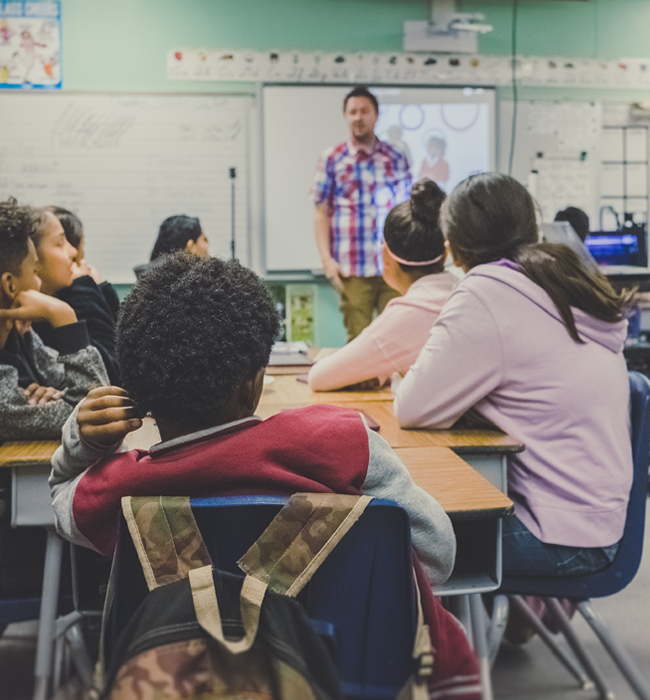
Building the entrepreneurs of tomorrow
Change is coming, but it is moving slowly. In the meantime, other organisations are stepping in to fill the gap. Young entrepreneurs currently suffer from a lack of training and support. At Take the Leap we can help to bridge that gap. We’re working with partners to deliver a training program under the Erasmus + Young Entrepreneurs Programme.
This will provide the education entrepreneurs are not getting in school and equip them with the tools they need to thrive in an increasingly demanding economy. Most of all, this is designed specifically to provide entrepreneurs from disadvantaged backgrounds with the support and assistance they need to build successful enterprises.
We believe this is key to overcoming the opportunity gap for disadvantaged entrepreneurs as well as to encourage sustainable growth which gives young people a route into employment. While we can’t do anything to make the economy of the future any easier or less demanding, we can give people the skills they need to thrive.
https://ideapod.com/born-creative-geniuses-education-system-dumbs-us-according-nasa-scientists/
https://www.whatuni.com/degree-courses/search?subject=entrepreneurship
